Earthquakes in California: Understanding the Risk of a “Big One”
California is one of the most earthquake-active regions in the world. Every year, thousands of small quakes ripple beneath the state—most too small to feel. But the constant shaking is a reminder that California sits atop a complex and powerful system of faults capable of producing major earthquakes. Scientists widely agree that a large, damaging quake is not just possible but inevitable. Here’s why.
1. California Sits on a Major Plate Boundary
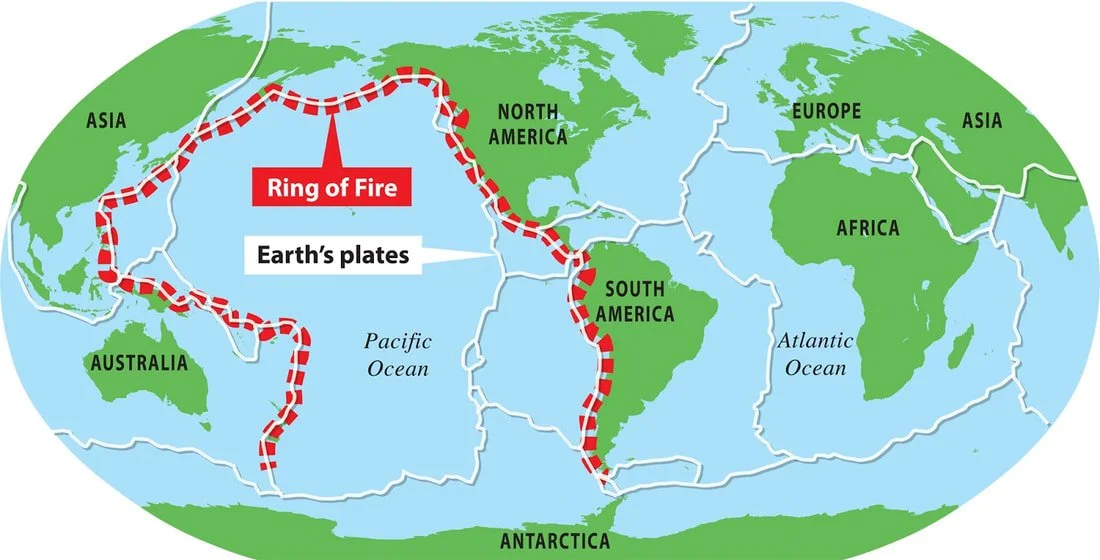
The state lies directly on the boundary between two enormous tectonic plates:
The Pacific Plate (moving northwest)
The North American Plate (moving southeast)
These plates grind past each other along the San Andreas Fault system, which stretches more than 800 miles through California. This plate motion is slow—about 1–2 inches per year—but steady. Over decades, tremendous pressure builds up along locked sections of the fault. When that stress finally releases, the ground shifts suddenly, producing an earthquake.
This is the same phenomenon that caused California’s historic quakes, including the 1906 San Francisco quake and the 1857 Fort Tejon quake.
2. The San Andreas Fault Is Overdue for Rupture
Scientists break the San Andreas into three main segments:
Northern segment – last major rupture: 1906
Central creeping segment – moves slowly, less dangerous
Southern segment – last major rupture: 1857
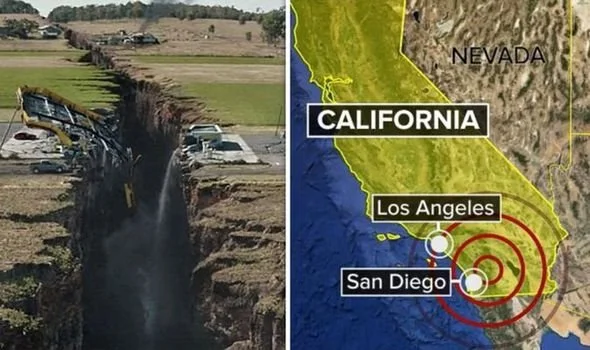
The southern section, running through Los Angeles County, Riverside County, and the Inland Empire, has not released major pressure in over 160 years. Geological studies show big quakes on this segment tend to occur every 100–150 years, meaning this portion of the fault has accumulated enough strain to produce a magnitude 7.5–8.0 earthquake.
This is why many experts, including the USGS, consider the southern San Andreas one of the most likely sites for a large earthquake in the near future.
3. California Has Many Other Major Faults
While the San Andreas gets most of the attention, California’s earthquake risk does not come from a single fault. Large quakes can also occur on:
Hayward Fault (San Francisco Bay Area) – considered one of the most dangerous urban faults in America
San Jacinto Fault – very active, runs through Southern California
Garlock Fault – capable of interacting with the San Andreas
Ridgecrest fault system – produced the 6.4 and 7.1 quakes in 2019
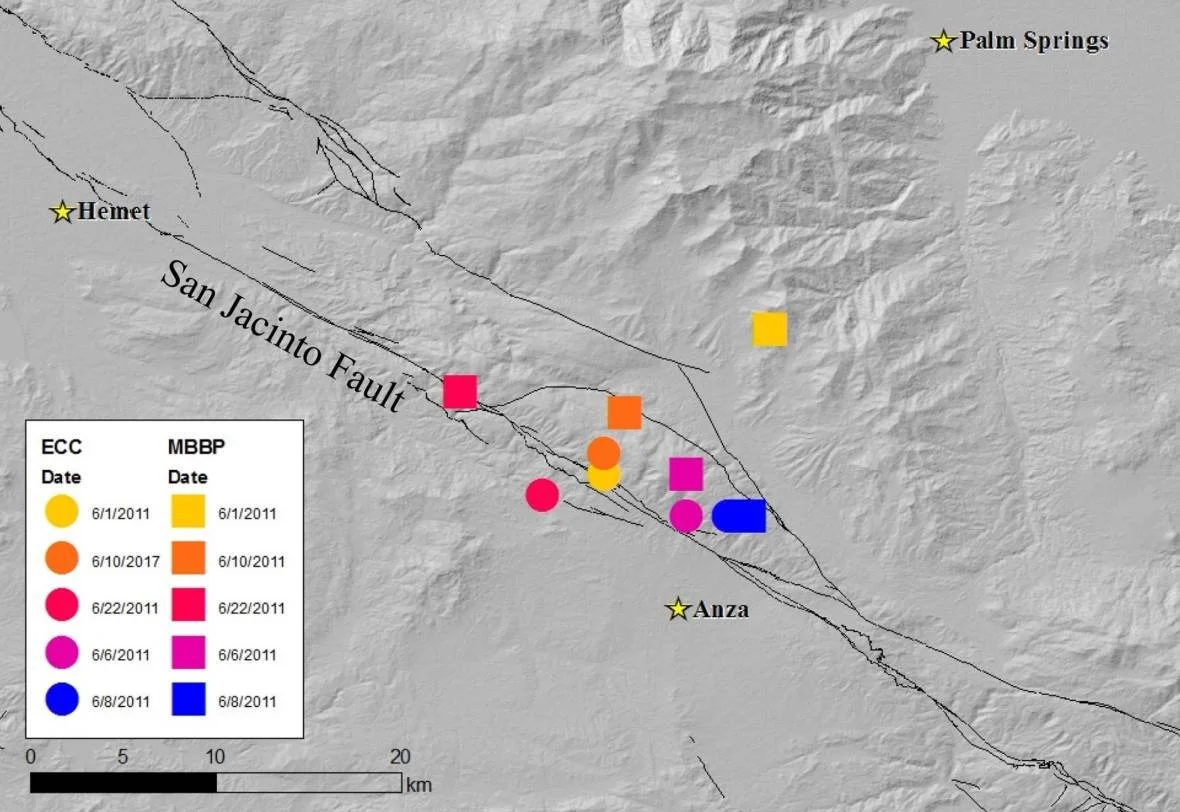
These faults crisscross the state, meaning no region is fully immune to shaking.
4. Population Density Increases the Impact
A “big one” today has far greater consequences than past quakes:
Larger population
More infrastructure (freeways, utilities, hospitals, communication systems)
Aging buildings in many communities
Long supply chains vulnerable to disruption
Even if only a portion of the state is severely affected, the ripple effects could spread statewide and nationally.
5. What a Large Quake Could Look Like
A major earthquake on the southern San Andreas could cause:
Widespread shaking lasting one to three minutes
Severe damage to buildings, roads, and utilities
Long-term power, water, and communication outages
Fires, gas leaks, and disrupted emergency services
Major impacts across Los Angeles, Orange County, the Inland Empire, and beyond
USGS models estimate that a large San Andreas quake could result in tens of billions of dollars in damage and long recovery periods.
6. Why Preparedness Matters Now
Earthquakes cannot be predicted, but science is clear:
A major earthquake in California is certain—only the timing is unknown.
Because major faults continue to accumulate strain, and because the last big events happened long ago, the conditions for a large quake are already in place.
Preparedness reduces the impact dramatically. Simple steps include:
Securing heavy furniture
Storing water and essentials
Having a communication & evacuation plan
Knowing how to turn off utilities
Keeping gas tanks at least half full
Building a 3–7 day emergency supply kit
Conclusion
California’s beauty comes with geological power beneath its surface. The constant movement of tectonic plates ensures earthquakes will continue—and eventually, one will be large. Understanding the risk empowers individuals, families, and communities to prepare wisely.
A major earthquake is not a question of “if,” but “when.” Preparedness today protects lives tomorrow.